Step-by-Step Guide to Choosing a Bay Area ADU Builder
Selecting the right builder for your Accessory Dwelling Unit (ADU) in the Bay Area is a crucial decision that can significantly impact your project's success. This guide will provide you with essential insights into the various types of ADUs, the qualifications to look for in a builder, and the necessary permits and regulations to consider. By understanding these factors, you can make an informed choice that aligns with your vision and budget. Many homeowners face challenges in navigating the complexities of ADU construction, from understanding local zoning laws to evaluating builder credentials. This article will walk you through the process step-by-step, covering key topics such as builder types, credential verification, cost evaluation, and post-construction support.
The broader context of California's housing challenges underscores the increasing importance of ADUs as a viable solution for expanding housing supply.
What Are the Different Types of ADUs and How Do They Affect Builder Selection?
When considering an ADU, it's essential to understand the different types available and how they influence your choice of builder. ADUs can be categorized into three primary types: detached, attached, and internal (or conversion). Additionally, ADUs can be either prefab or custom-built. Each type has unique characteristics that can affect the construction process, timeline, and overall cost.
What Are Prefab ADUs and Their Installation Benefits in the Bay Area?
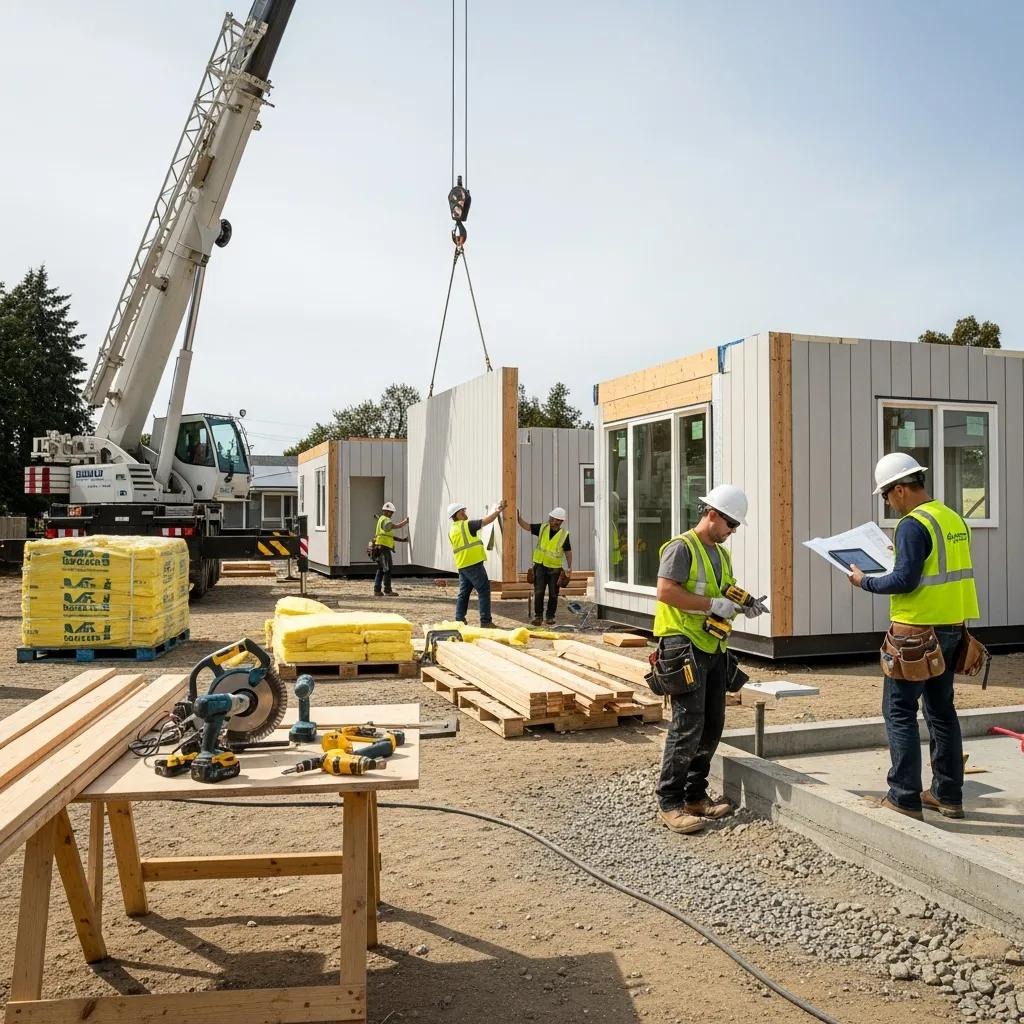
Prefab ADUs, or prefabricated accessory dwelling units, are factory-built structures that are transported to the site for assembly. One of the main benefits of prefab ADUs is their cost-effectiveness, as they often require less labor and time to install compared to custom builds. Additionally, prefab units can be designed with flexibility in mind, allowing for various layouts and styles that can suit different homeowner needs. The speed of installation is another significant advantage, with many prefab units being ready for occupancy within a few weeks to a couple of months after delivery, depending on site preparation and permitting.
How Do Custom ADUs Differ and What Should You Consider?
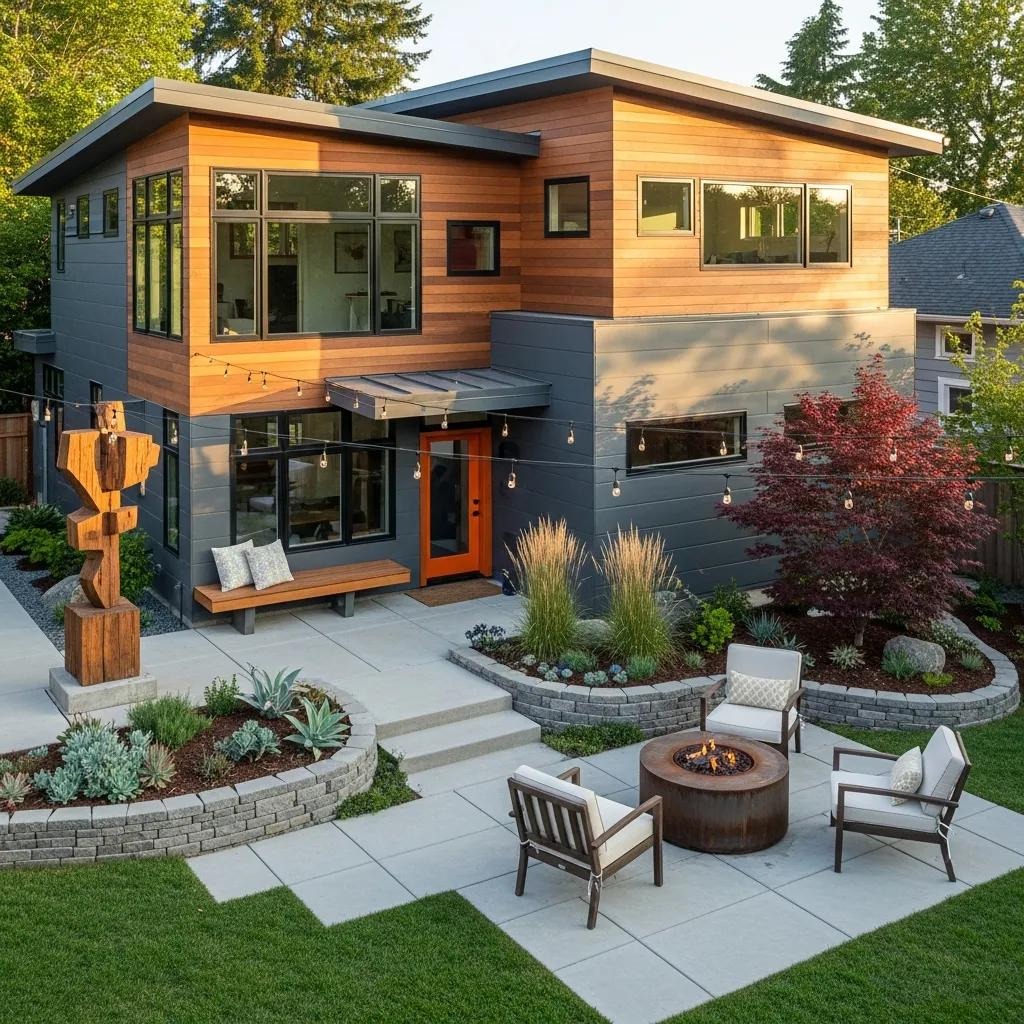
Custom ADUs are tailored to the specific preferences and requirements of the homeowner. This type of ADU allows for greater personalization options, including unique architectural designs and layouts that reflect the homeowner's style. However, custom builds typically come with higher costs and longer timelines due to the need for detailed planning, permitting, and construction. Homeowners should consider their budget, desired features, and the time they are willing to invest in the project when deciding between prefab and custom ADUs.
How to Verify ADU Builder Credentials and Experience in the Bay Area?
Verifying the credentials and experience of potential ADU builders is a critical step in ensuring a successful project. Homeowners should prioritize builders who are licensed and insured, as this protects both parties in the event of any issues during construction.
Why Is Licensing and Insurance Essential for Bay Area ADU Builders?
Licensing and insurance are essential for ADU builders as they demonstrate compliance with state and local regulations and provide a safety net for homeowners. Licensed builders have met specific educational and professional standards, ensuring they possess the necessary skills and knowledge to complete the project. Insurance protects homeowners from potential liabilities, such as property damage or accidents that may occur during construction.
How to Check Builder Reviews, Ratings, and Past Project Success?
To assess a builder's reputation, homeowners should utilize online review platforms and seek testimonials from previous clients. Websites that aggregate reviews can provide insights into a builder's reliability, quality of work, and customer service. Additionally, reviewing past projects can help homeowners gauge the builder's experience with similar ADU constructions, ensuring they are well-equipped to handle the specific requirements of the project.
What Are the Key Bay Area ADU Permits and Regulations Builders Must Follow?
Understanding the necessary permits and regulations is crucial for any ADU project in the Bay Area. Compliance with local laws ensures that the construction process runs smoothly and avoids potential legal issues.
Which Permits Are Required for ADU Construction in California?
In California, several permits are typically required for ADU construction, including building permits, zoning permits, and inspection approvals. Building permits ensure that the construction meets safety and structural standards, while zoning permits confirm that the project complies with local land use regulations. Homeowners should consult with their builders and local planning departments to ensure all necessary permits are obtained before commencing construction.
How Do Bay Area Zoning Laws Impact Your ADU Project?
Bay Area zoning laws can significantly impact the design and placement of ADUs. These laws dictate factors such as setback requirements, height limitations, maximum square footage, and the overall density of housing in a given area. Homeowners must familiarize themselves with these regulations to ensure their ADU project aligns with local zoning requirements, which can vary by city and neighborhood.
Indeed, the state of California has actively addressed these housing challenges through significant legislative reforms impacting land use and zoning.
How to Evaluate Cost Estimates and Financing Options for Bay Area ADUs?
Evaluating cost estimates and financing options is a vital part of the ADU construction process. Understanding the financial aspects can help homeowners make informed decisions and avoid unexpected expenses.
What Are Typical ADU Construction Costs in the Bay Area?
The typical costs for ADU construction in the Bay Area can vary widely based on factors such as size, design, materials used, and site conditions. On average, homeowners can expect to spend between $250,000 and $500,000 for a complete ADU project, depending on complexity and finishes. It's essential to obtain detailed cost estimates from builders to understand the breakdown of expenses, including labor, materials, permits, and site work.
Which Financing Solutions Are Available for ADU Projects in California?
Several financing solutions are available for ADU projects in California, including home equity loans, home equity lines of credit (HELOCs), personal loans, and specialized ADU financing programs. Home equity loans and HELOCs allow homeowners to borrow against the equity in their property, often at lower interest rates. Personal loans can provide quick access to funds but may have higher interest rates. Additionally, some financial institutions and local governments offer specific loans or incentives designed for ADU construction, which may come with favorable terms and conditions.
What Is the Typical ADU Construction Timeline and Project Management Process?
Understanding the typical construction timeline and project management process is essential for homeowners planning an ADU. This knowledge helps set realistic expectations and ensures effective communication with the builder.
How Long Does Prefab ADU Installation Take Compared to Custom Builds?
Prefab ADU installations generally take significantly less time than custom builds. While prefab units can often be installed within a few weeks after site preparation and permitting, custom builds may take six months to a year or more due to the detailed planning, permitting, and construction involved. Homeowners should discuss timelines with their builders to establish a clear schedule for the project.
What Project Management Support Should Builders Provide?
Effective project management is crucial for the successful completion of an ADU. Builders should provide comprehensive support throughout the construction process, including regular communication with homeowners, coordination of subcontractors, and management of timelines. This support ensures that the project stays on track and meets the homeowner's expectations.
What Post-Construction Support and Warranty Should You Expect from ADU Builders?
Post-construction support and warranty coverage are important considerations when selecting an ADU builder. Homeowners should inquire about the level of support they can expect after the project is completed.
Why Is Warranty Coverage Important for ADU Projects?
Warranty coverage is essential for ADU projects as it provides homeowners with protection against potential defects or issues that may arise after construction. A solid warranty can cover various aspects of the build, including structural integrity, plumbing, and electrical systems. Homeowners should carefully review warranty terms and conditions to ensure they are adequately protected.
How Do Builders Provide Ongoing Maintenance and Support?
Many builders offer ongoing maintenance and support services to ensure the longevity and functionality of the ADU. This support can include regular inspections, repairs, and assistance with any issues that may arise after construction. Homeowners should discuss available maintenance options with their builders to establish a long-term relationship that ensures the ADU remains in excellent condition.