What You'll Learn
- How to plan an ADU around the way it will actually be used, before finishes take over.
- The layout, storage, lighting, kitchen, and privacy decisions that make a compact ADU feel larger.
- Why utility routing, permit planning, and outdoor connection should be solved early in the design.
Why Small ADUs Need Smarter Design
A modern ADU works best when every square foot has a job. In Long Beach and the South Bay, many homeowners are working with compact lots, detached garages, side yards, and tight utility paths. That does not mean the finished unit has to feel cramped. It means the layout has to be planned before style decisions take over.
The best ADUs feel calm because the design removes friction. Doors swing the right way. Storage lands where people actually use it. Natural light reaches the main living area. The kitchen is compact without being incomplete. A guest, tenant, parent, or adult child can live there without feeling like the unit is a compromise.
We see this most often when homeowners are deciding between an accessory dwelling unit, a garage conversion, or a home addition. The right answer depends on the lot, the budget, and how private the new space needs to feel. A good ADU design answers those questions before the drawings get expensive.
Start With the Way the ADU Will Live
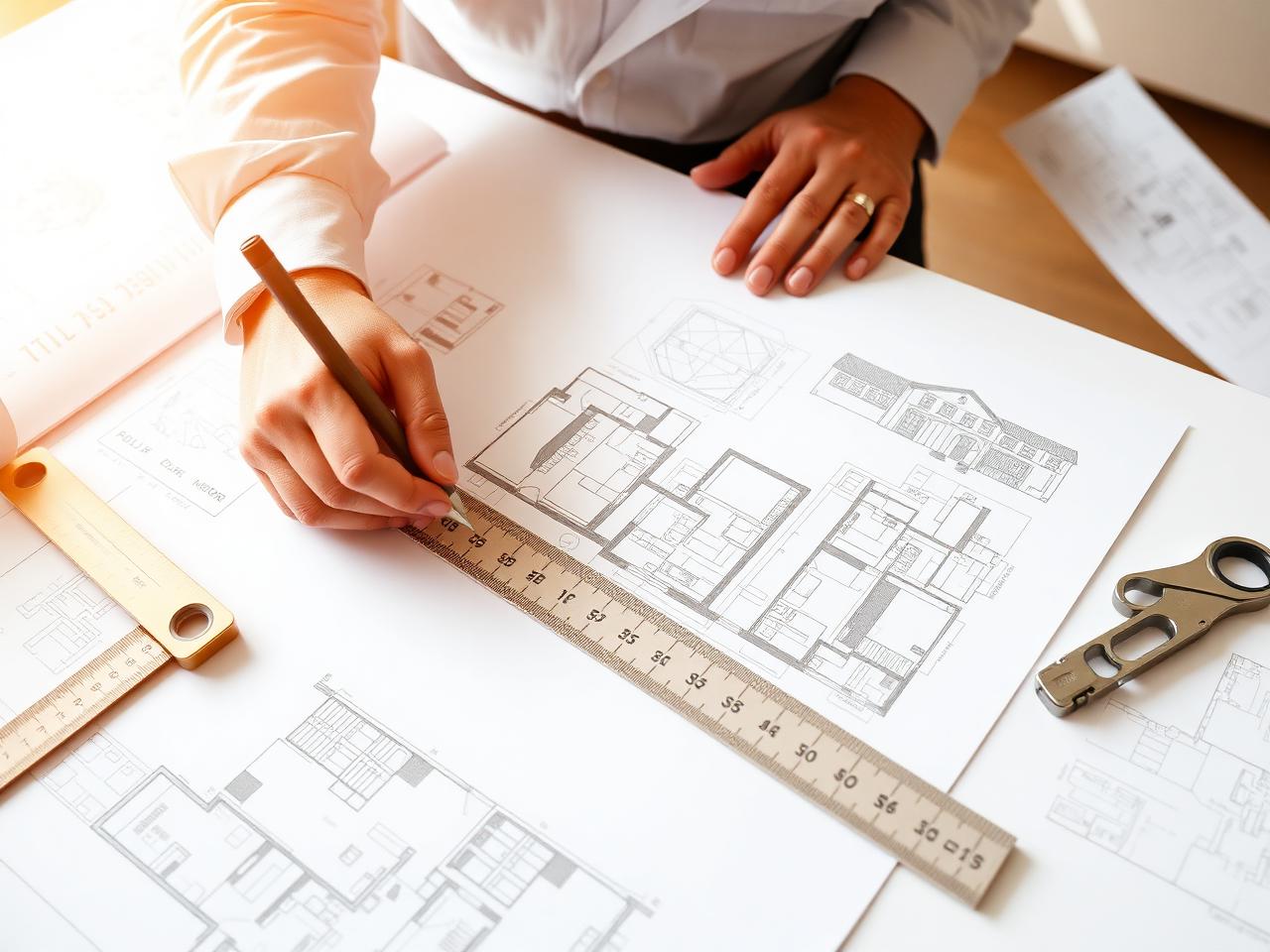
Before drawing walls, define who the ADU is for and how it will be used. A rental studio, a private suite for aging parents, a guest house, and a backyard office with sleeping space all need different priorities.
- For long-term rental: prioritize privacy, durable finishes, a real kitchen, and storage that does not depend on freestanding furniture.
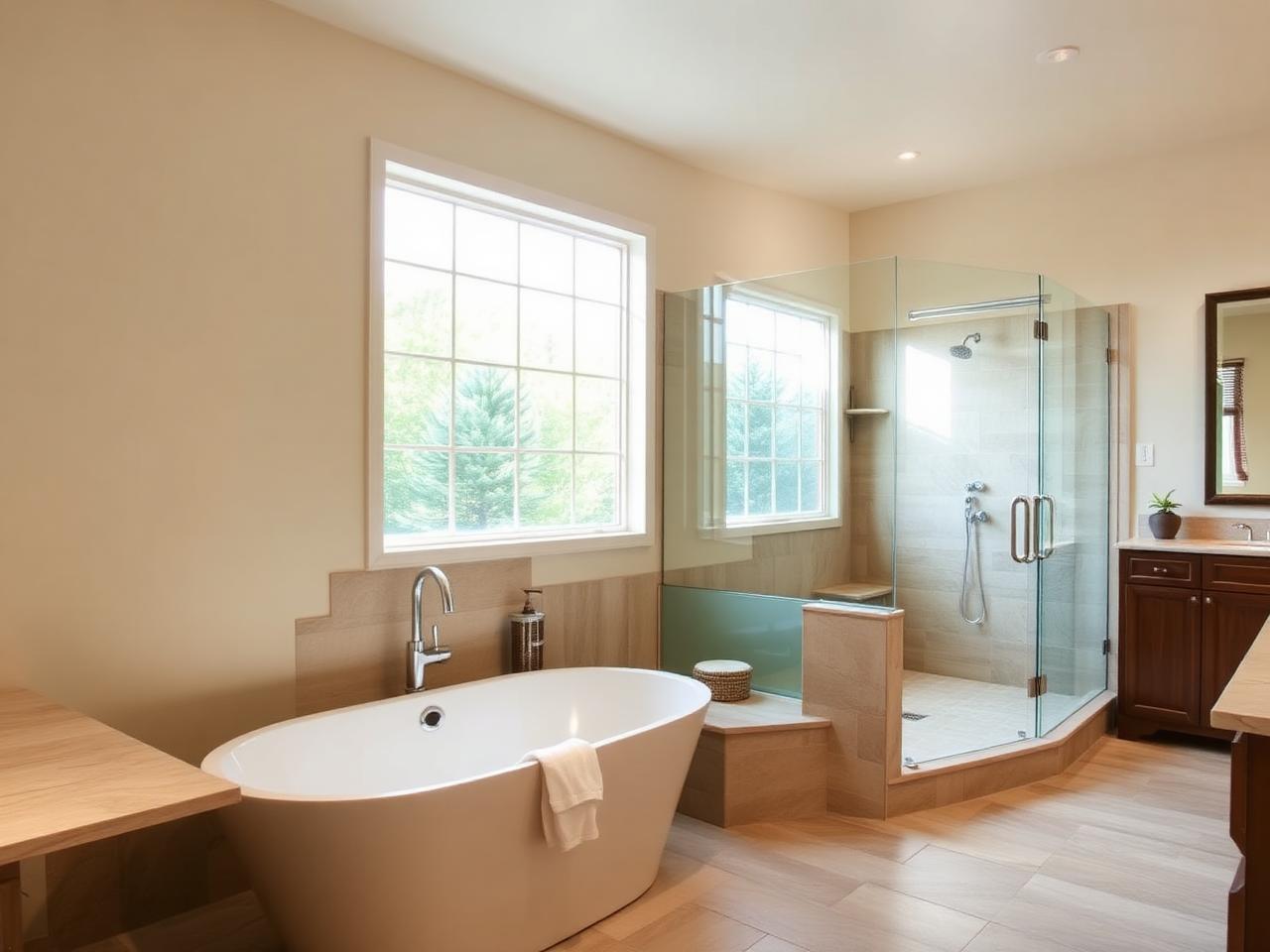
- For family: prioritize accessibility, clear walking paths, natural light, and a bathroom that is comfortable to use every day.
- For flexible use: design a layout that can shift from office to guest suite to rental without major remodeling.
This early conversation also affects permitting. A detached ADU, garage conversion, attached ADU, and JADU can all follow different site constraints. We usually start with setbacks, access, utilities, parking realities, and the existing structure before we talk about cabinets or tile. The California Department of Housing and Community Development ADU resource page is a useful non-sales reference for understanding statewide ADU basics before checking local city requirements.
ADU Design Best Practices Before Permits
The most expensive ADU design mistakes usually happen before construction starts. A plan can look good on paper and still create awkward circulation, poor privacy, weak storage, or expensive utility runs. Before submitting for permits, slow down and test the plan against daily life.
- Walk the path: trace how someone enters, drops keys, cooks, showers, sleeps, stores laundry, and takes trash out.
- Check furniture scale: draw the bed, sofa, dining table, desk, and dresser at real dimensions so the room is not only code-compliant, but comfortable.
- Protect privacy: avoid direct window-to-window views between the ADU, the main home, and neighboring properties.
- Plan sound control: add insulation, solid doors, and thoughtful room placement when the ADU is close to the main house.
- Confirm the build path: review trenching, panel capacity, sewer depth, HVAC placement, and inspection access before finalizing the layout.
This is where an experienced builder can save real money. On compact lots in Lakewood, Signal Hill, and Seal Beach, the best design is usually the one that balances livability with a clean path through plan check and construction.
Design an Open Layout With Clear Zones
Open layouts help ADUs feel larger, but open does not mean empty. A successful compact plan creates zones for cooking, eating, relaxing, sleeping, and working without chopping the unit into tiny rooms.
Use ceiling changes, lighting, cabinetry, flooring direction, or a peninsula to define each zone. In a studio ADU, a built-in banquette can create a dining area without blocking the living room. In a one-bedroom ADU, a pocket door can separate the bedroom without stealing wall space.
Layout Moves That Make an ADU Feel Larger
- Keep the kitchen, dining, and living area visually connected.
- Place tall storage on one wall instead of scattering cabinets around the room.
- Use pocket or sliding doors where a swing door would interrupt circulation.
- Align windows and doors so the eye travels through the space and outside.
- Avoid hallways unless they solve a real privacy or code issue.
Use Built-Ins to Replace Loose Furniture
Loose furniture eats space because it needs clearance on every side. Built-ins can do two jobs at once: seating with storage below, a desk that folds away, a bed wall with shelving, or a media cabinet that also hides linens and cleaning supplies.
In small ADUs, the most valuable built-ins are usually simple. A bench near the entry gives someone a place to sit and take off shoes while storing bags underneath. A full-height pantry beside the refrigerator can hold more than several scattered upper cabinets. A recessed medicine cabinet keeps the bathroom counter clear.
Make the Kitchen Compact but Complete
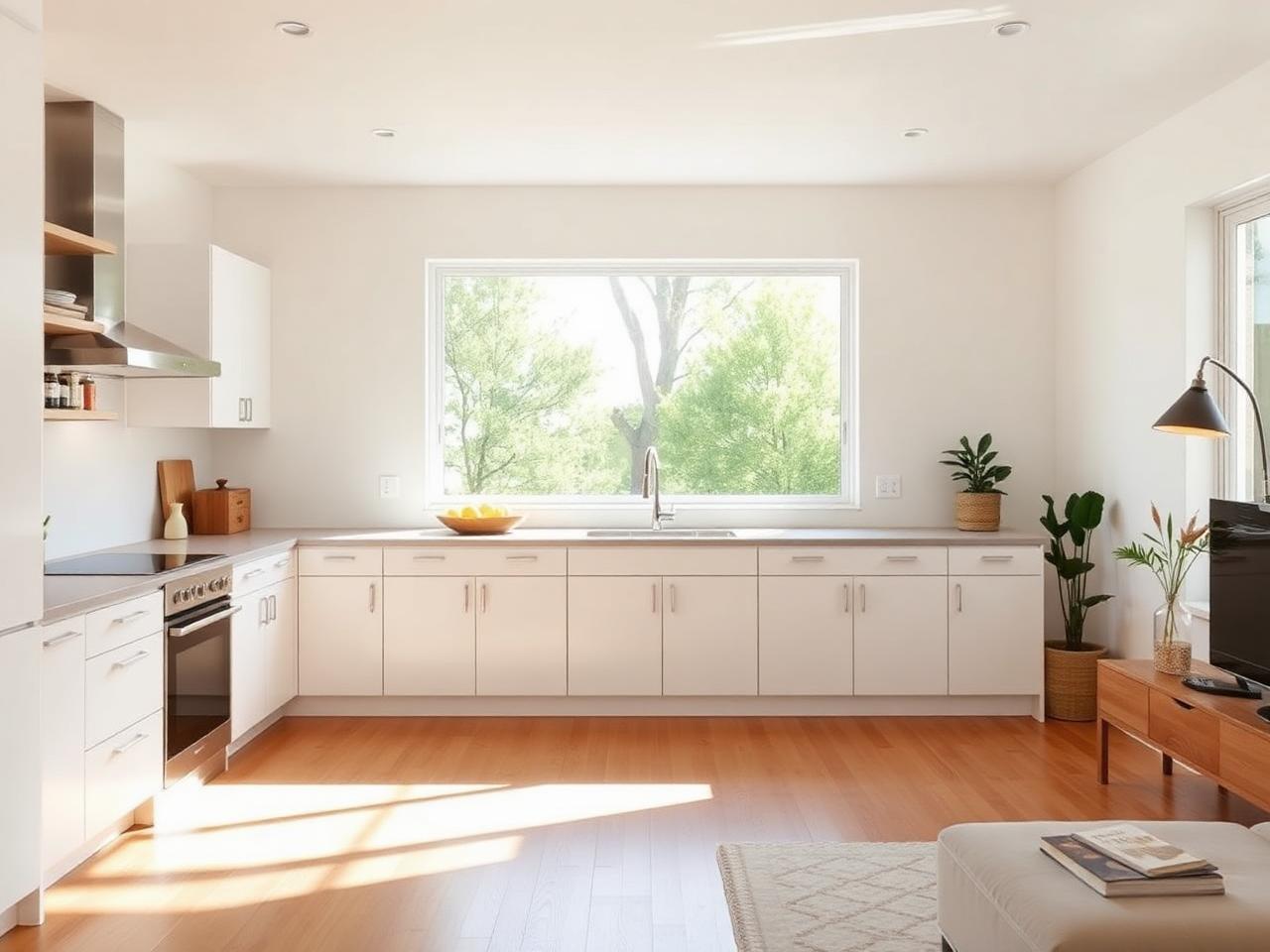
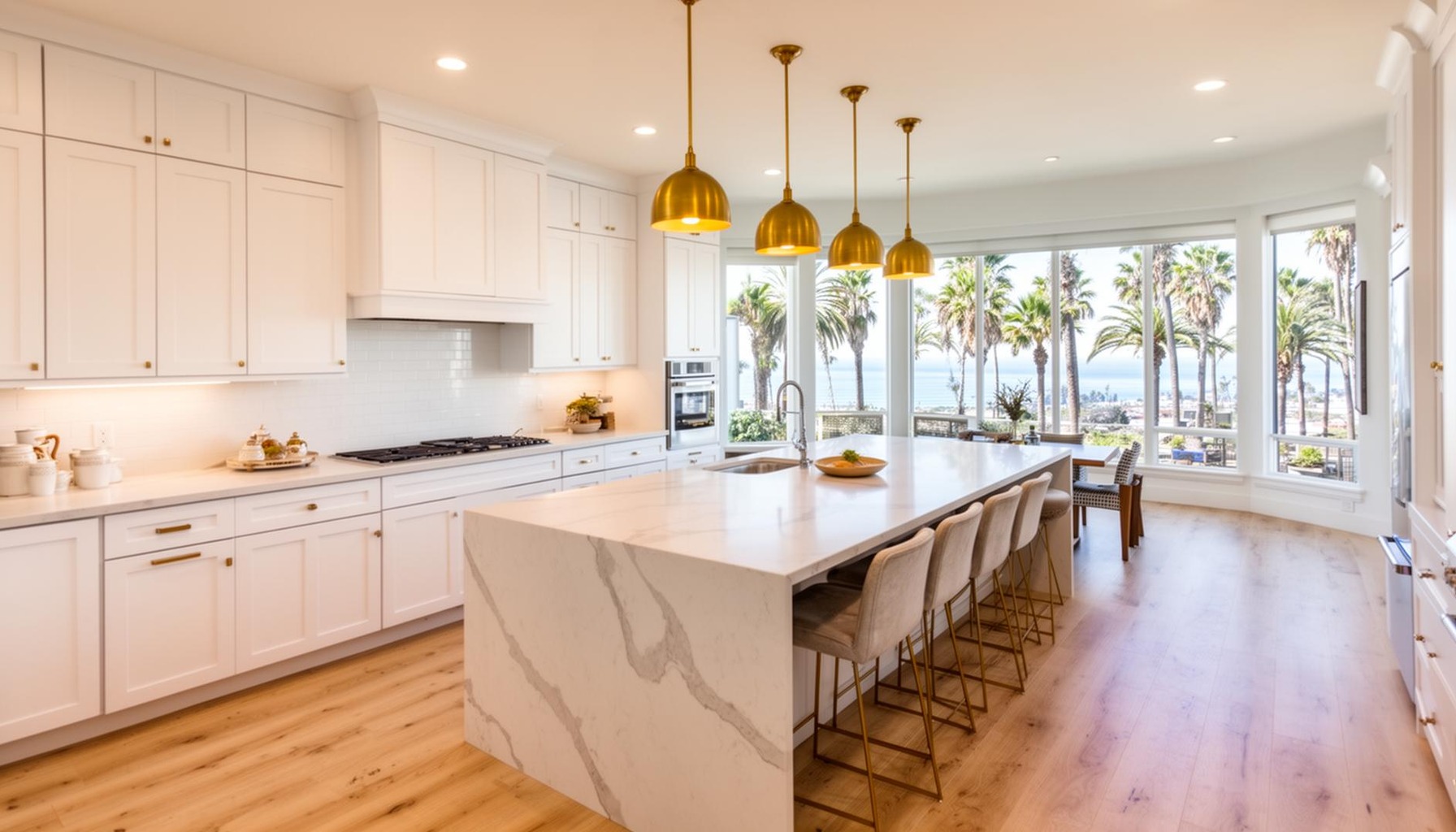
The kitchen is where many ADUs either feel polished or improvised. A small kitchen can work beautifully if it includes a clear prep surface, a real sink, ventilation, enough outlets, and storage for daily dishes and pantry items.
Think in zones: cold storage, sink, prep, cooking, and cleanup. A 24-inch range, counter-depth refrigerator, single-bowl sink, and slim dishwasher can preserve function without swallowing the room. Open shelves can help visually, but they should not replace all closed storage. Tenants and family members still need places to put real life.
Bring in Light Without Giving Up Privacy
Light is the fastest way to make a small ADU feel generous. The trick is bringing it in without pointing every window directly at the main house or a neighbor.
- Use higher windows where privacy is tight.
- Add glass in doors when the entry faces a private patio or side yard.
- Place the largest window where it extends the main living area visually.
- Use layered lighting: recessed cans, task lights, and warm accent lighting.
- Keep window coverings planned from the start, especially for rentals.
For backyard ADUs, we also look at sun direction. A large west-facing opening can overheat a small unit in summer if shade and glazing are not planned correctly.
Plan Storage Before Finishes
Storage is not glamorous, but it is what keeps an ADU from feeling crowded after move-in. Start with the categories people need: clothes, luggage, cleaning supplies, linens, pantry goods, tools, trash, recycling, and outdoor items.
Then place storage near the activity. Linens belong near the bathroom or bedroom. Cleaning supplies need a tall cabinet. Trash needs a real pullout or closet location, not a loose bin sitting in the walking path. If the ADU will be rented, durable storage matters even more because the unit has to reset cleanly between occupants.
Keep Mechanical and Utility Runs Simple
A beautiful layout can become expensive fast if plumbing, electrical, sewer, and HVAC are routed inefficiently. Compact ADUs benefit from stacking or grouping wet areas where possible. Placing the kitchen and bathroom back-to-back can reduce plumbing complexity and make inspections cleaner.
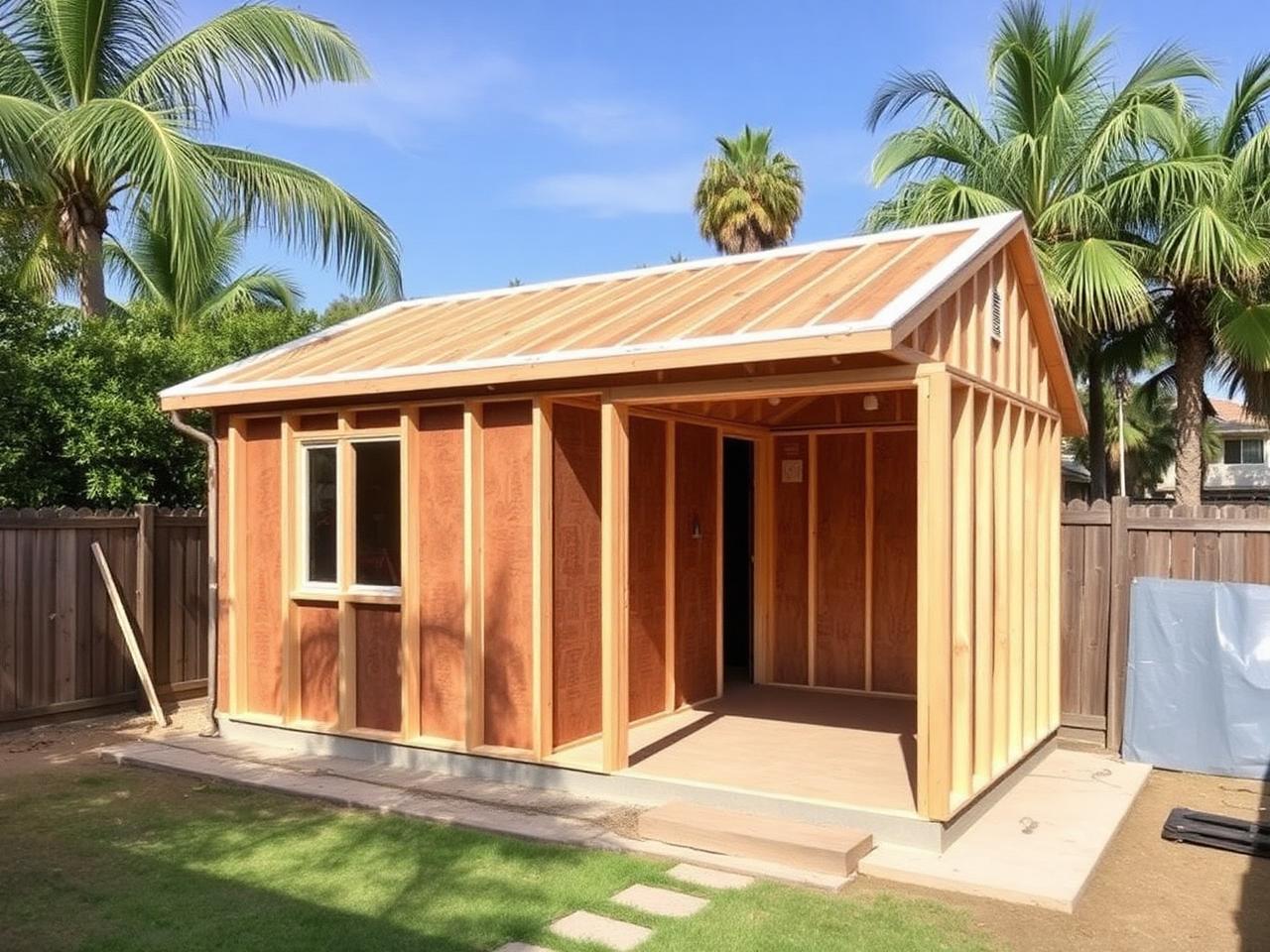
This is especially important for garage conversions, detached backyard units, and ADUs built as part of larger new construction plans. Existing slabs, sewer depth, panel capacity, gas lines, and trenching routes can all affect the final design. We check those early so the plan is not redesigned after permit drawings are already underway.
Design the Outdoor Connection
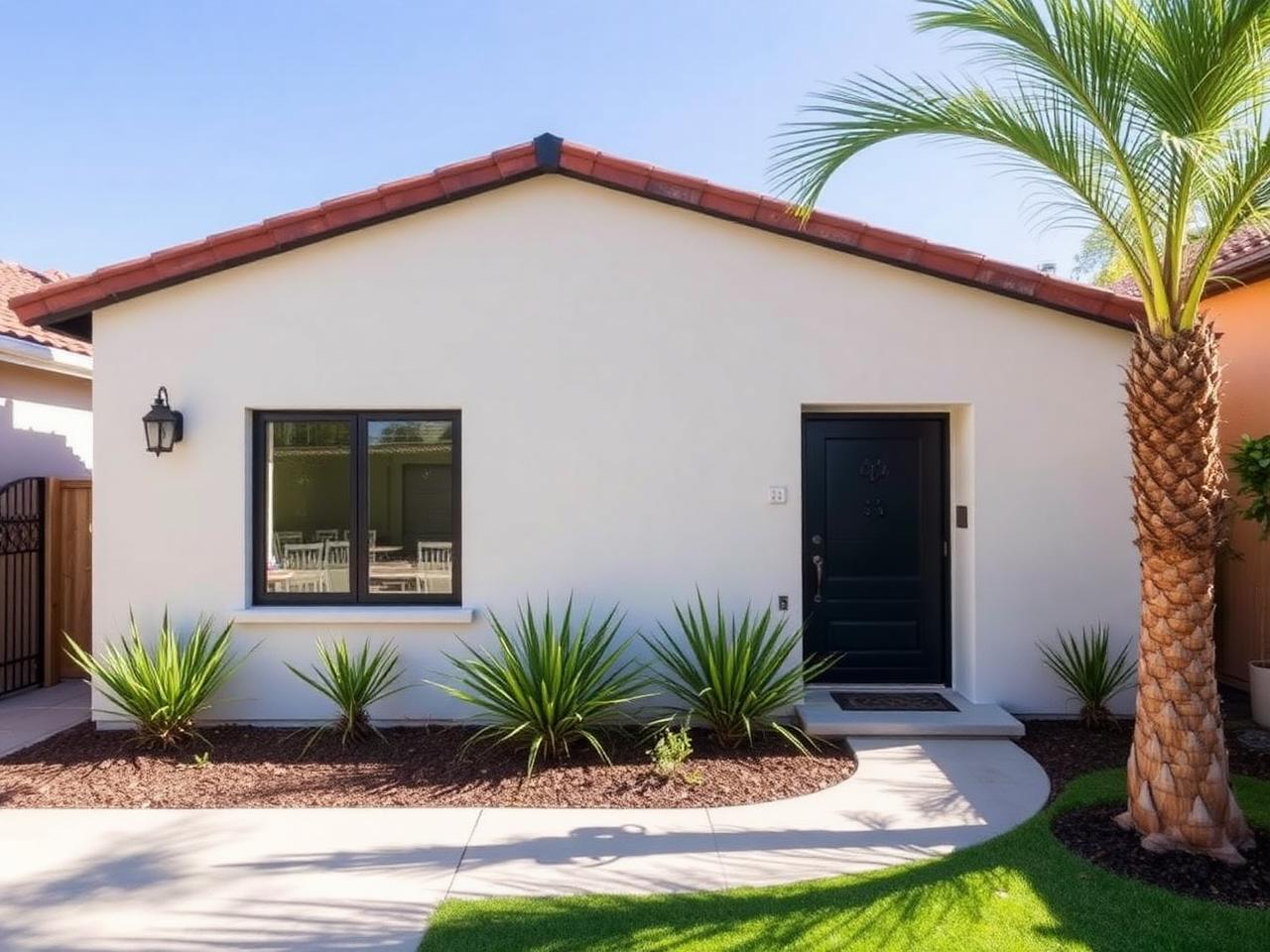
A small ADU feels much larger when it borrows space from outside. That can be a private patio, a small entry court, a planted side yard, or a covered threshold that gives the unit its own sense of arrival.
Outdoor design also solves practical problems. It creates privacy between the main house and ADU, gives tenants a place for a bistro table or bike, and makes trash and utility access easier to manage. The goal is not a huge yard. The goal is a clear, intentional outdoor edge.
Serving Long Beach and the South Bay
Urban Construction & Design Solutions designs and builds ADUs throughout Long Beach, Lakewood, Signal Hill, Seal Beach, Torrance, and the South Bay. We handle feasibility, plans, permits, construction, and inspections with one accountable team.
If you are planning an ADU, start with the lot and the way the unit needs to live. Then design the space around those realities. Learn more about our ADU design and build process or request a free estimate.
Frequently Asked Questions
Answers to common questions about designing compact ADUs that feel larger, live better, and work on Southern California lots.
About the Author

Elias Gonzalez
Founder, Urban Construction & Design Solutions
Elias Gonzalez is the founder of Urban Construction & Design Solutions, a family-owned construction company serving Long Beach and the greater South Bay area. Since founding the company in 2008, Elias has built his reputation on quality craftsmanship, transparent communication, and doing the job right the first time.