What You'll Learn
- How to scope your kitchen remodel before a single contractor call — and why this prevents 90% of budget surprises.
- Real Long Beach budget benchmarks per square foot, plus where the money actually goes.
- The exact contractor red flags, permit timelines, and temporary-kitchen setup that keep the project stress-free.
Why Kitchen Remodels Feel Stressful (and How to Fix That)
Most kitchen remodel horror stories trace back to three things: a vague scope, a rushed contractor selection, and no plan for life-without-a-kitchen. After 17 years of remodeling kitchens across Long Beach, Lakewood, and Seal Beach, I can tell you the projects that finish on time, on budget, and on speaking terms all share the same playbook.
This guide walks you through that playbook step by step — from the first design conversation to the final walkthrough — so you can remodel your kitchen with confidence instead of anxiety.
Step 1 — Define the Scope Before You Call Anyone
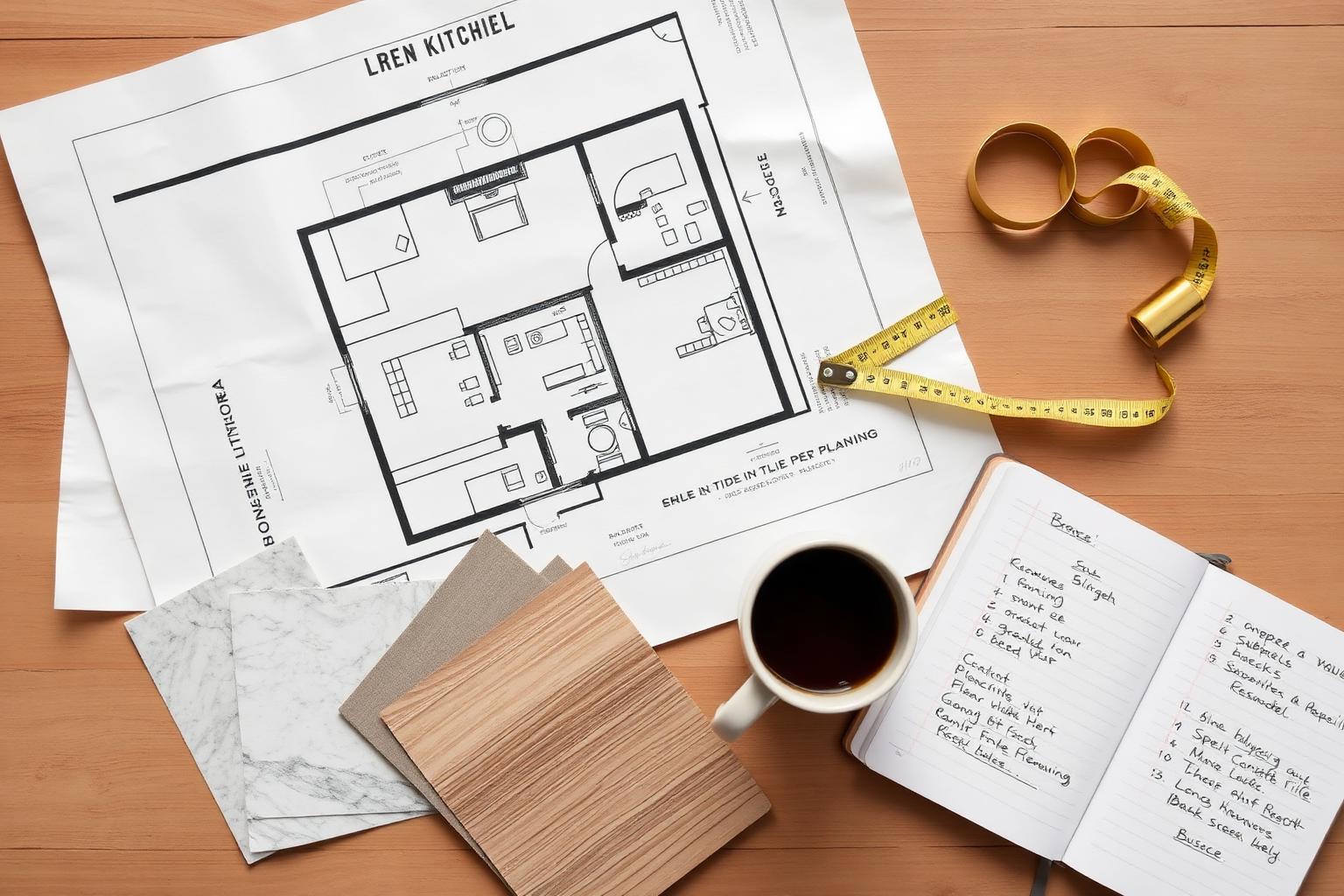
The single biggest cause of budget blow-ups is a scope that grows mid-project. Before you talk to a contractor, get clear on three questions:
- Cosmetic or structural? A cabinet-and-counter refresh is a different animal than moving a load-bearing wall.
- Layout or finishes? Reconfiguring plumbing, gas, and electrical doubles timelines compared to a like-for-like swap.
- What's the "must" vs. the "nice"? Write two columns. Protect the musts, trade the nice-to-haves if the budget tightens.
Three Common Remodel Tiers
- Refresh ($30K–$60K): paint or reface cabinets, new counters, new appliances, updated fixtures.
- Mid-range remodel ($75K–$150K): new cabinets, quartz counters, tile backsplash, lighting plan, minor layout tweaks.
- Full remodel ($150K–$250K+): new layout, moved plumbing, panel upgrade, custom cabinetry, hardwood floors, structural changes.
Step 2 — Set a Realistic Budget (With Contingency)
For a mid-range kitchen in the South Bay, plan on roughly $1,000–$1,500 per square foot of kitchen space. Always add a 10–15% contingency for the things you can't see until walls open up — rotted framing, undersized electrical, sloppy old plumbing. Older Long Beach homes built before 1970 almost always surface at least one surprise.
Where the Money Actually Goes
- Cabinetry: 25–35%
- Labor (demo, framing, install): 20–30%
- Countertops, tile, flooring: 10–15%
- Appliances: 10–15%
- Plumbing & electrical: 8–12%
- Permits, design, contingency: 5–10%
Step 3 — Hire the Right Contractor
This is where stress is either eliminated or guaranteed. A licensed, communicative GC is worth every dollar. Before you sign anything:
- Verify their license at the California Contractors State License Board.
- Ask for a certificate of insurance naming you as additional insured.
- Get three written, line-item bids — never trust a one-page lump-sum quote.
- Walk a recent project and call two past clients.
Contractor Red Flags
- Pressure to sign today or large deposits over 10%.
- No written change-order process.
- Vague timeline ("a couple months") instead of a phased schedule.
- Won't pull permits or asks you to pull them yourself.
Step 4 — Design and Permits
For most Long Beach kitchen remodels, design and permitting takes 4–10 weeks before a single demo hammer swings. Cosmetic-only work usually skips plan check, but anything that moves plumbing, adds circuits, or alters walls needs a permit through Long Beach Development Services.
Pro tip: finalize your appliance specs first. Cabinets, counters, electrical, and gas all dimension off the appliances. Changing your range from 30" to 36" two weeks into construction triggers a chain reaction that costs thousands.
Step 5 — Plan Life Without a Kitchen
Most kitchen remodels run 8–14 weeks of active construction. Set up a temporary kitchen in advance:
- Microwave, toaster oven, electric kettle, and induction burner on a folding table.
- Mini-fridge in a spare bedroom or garage.
- Disposable plates and cups for week one and the final week (the dustiest stretches).
- A weekly restaurant budget — most families spend $200–$400/week on food out.
Case Study: A Belmont Shore Kitchen, On Time and On Budget
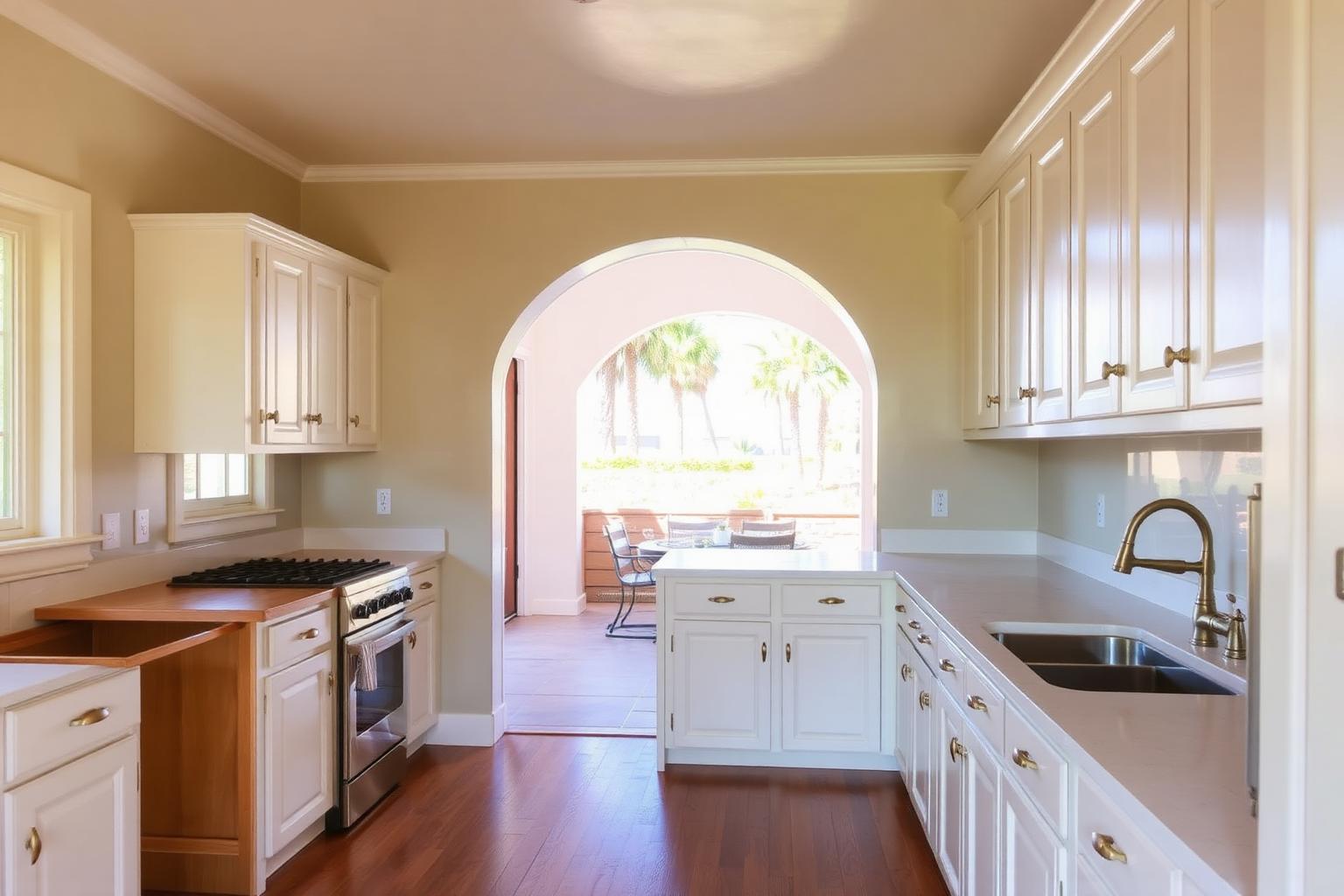
A 2024 project in Long Beach's Belmont Shore neighborhood: 1920s Spanish bungalow, 160 sq ft kitchen, full gut remodel including moving the sink wall, upgrading a 100-amp panel to 200-amp, and refinishing original oak floors.
- Scope locked: January (4 weeks of design).
- Permit issued: early March (6 weeks plan check).
- Construction: 11 weeks, finished mid-May.
- Final cost: $128,400 — 2.3% over the $125,500 contract, all in the contingency for hidden knob-and-tube wiring.
What made it stress-free: a fully designed plan before demo, weekly Friday walk-throughs with the client, and zero verbal change orders.
Step 6 — Protect the Rest of Your Home
Good crews seal off the kitchen with plastic walls and zip doors, run negative-air HEPA scrubbers, and lay floor protection from the front door to the work zone. Ask your contractor exactly how they handle dust before you sign — it's a fast tell for craftsmanship.
Step 7 — The Final Walkthrough and Punch List
Before final payment, do a slow walkthrough with the GC and a flashlight. Open every drawer, run every appliance, check every outlet. Make a written punch list with deadlines. Reputable contractors expect this and welcome it.
Serving Long Beach and the South Bay
Urban Construction & Design Solutions remodels kitchens throughout Long Beach, Signal Hill, Seal Beach, Huntington Beach, Torrance, and the South Bay beach cities. Every project starts with a free on-site consultation and a written, line-item estimate. Learn more about our kitchen and whole-home remodel process or request a free estimate today.
Frequently Asked Questions
Answers to common questions about planning, budgeting, permitting, and living through a kitchen remodel in Long Beach and the South Bay.
About the Author
Elias Gonzalez
Founder, Urban Construction & Design Solutions
Elias Gonzalez is the founder of Urban Construction & Design Solutions, a family-owned construction company serving Long Beach and the greater South Bay area. Since founding the company in 2008, Elias has built his reputation on quality craftsmanship, transparent communication, and doing the job right the first time.