What You'll Learn
- How to verify a California ADU builder's license, insurance, and relevant project experience.
- Why feasibility, utilities, permits, and inspections should be discussed before design is finalized.
- How to compare ADU bids by scope, communication, allowances, and change-order process.
Why the Right ADU Builder Matters
Choosing an ADU builder is not the same as choosing someone to complete a small remodel. A good builder has to understand site feasibility, utility routing, plan check, inspections, privacy, access, and the way the finished unit will be used. If any of those pieces are missed early, the project can get expensive before construction even starts.
For homeowners searching for a Bay Area ADU builder in the Long Beach, South Bay, and nearby coastal communities, the goal is simple: find a contractor who can turn a good idea into a permitted, buildable, comfortable space. That might be a detached backyard ADU, a garage conversion, an attached unit, or an accessory dwelling unit tied into a larger home addition.
This step-by-step guide will help you compare builders clearly, ask better questions, and avoid choosing based on price alone.
Step 1: Define Your ADU Goal
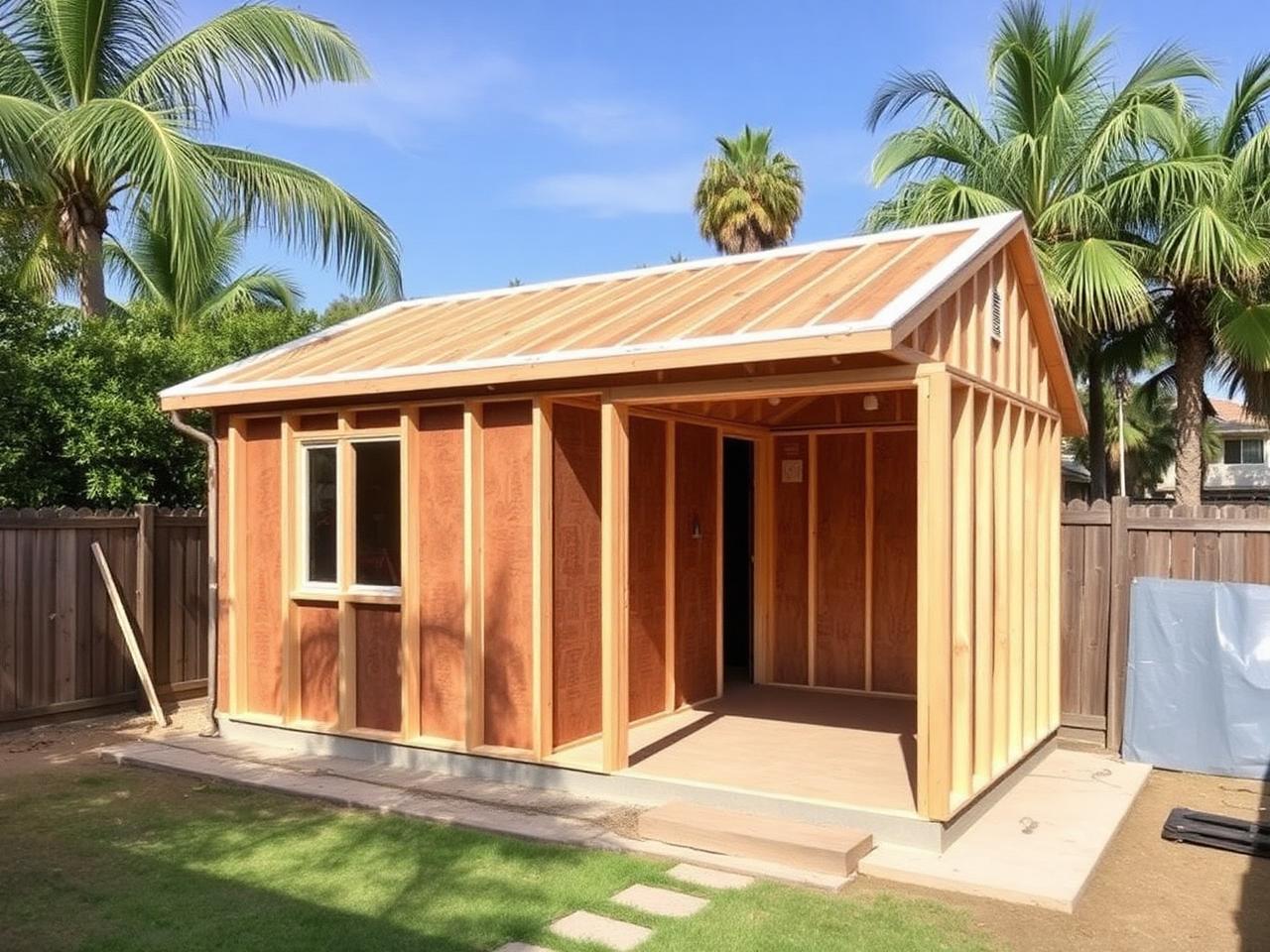
Before asking for estimates, get clear on what the ADU needs to do. A rental unit, guest house, aging-parent suite, backyard office with sleeping space, and long-term family unit all need different design decisions.
- For rental income: focus on durable finishes, privacy, separate access, storage, and utility planning.
- For family: focus on comfort, accessibility, natural light, sound control, and a layout that feels personal.
- For flexible use: plan a unit that can shift from family use to rental use without a major remodel later.
This step matters because the right builder should respond to your goals with practical questions. If they only ask for square footage and send a rough price, the estimate may not reflect the real project.
Step 2: Verify License, Insurance, and ADU Experience
Start with the basics. In California, homeowners should verify a contractor license before signing a contract or paying a deposit. The California Contractors State License Board license check lets you look up a contractor license or Home Improvement Salesperson registration and review complaint disclosure information.
License status is only the first layer. You should also ask for current insurance, relevant ADU experience, and proof that the builder has completed work similar to what you are planning.
What to Check Before You Shortlist a Builder
- Active California contractor license in the correct classification.
- General liability insurance and workers' compensation coverage when required.
- Recent ADU, garage conversion, addition, or small-home construction projects.
- Experience with city plan check, inspections, and utility coordination.
- Clear written estimates, not vague verbal price ranges.
Step 3: Ask for a Feasibility Review Before Design
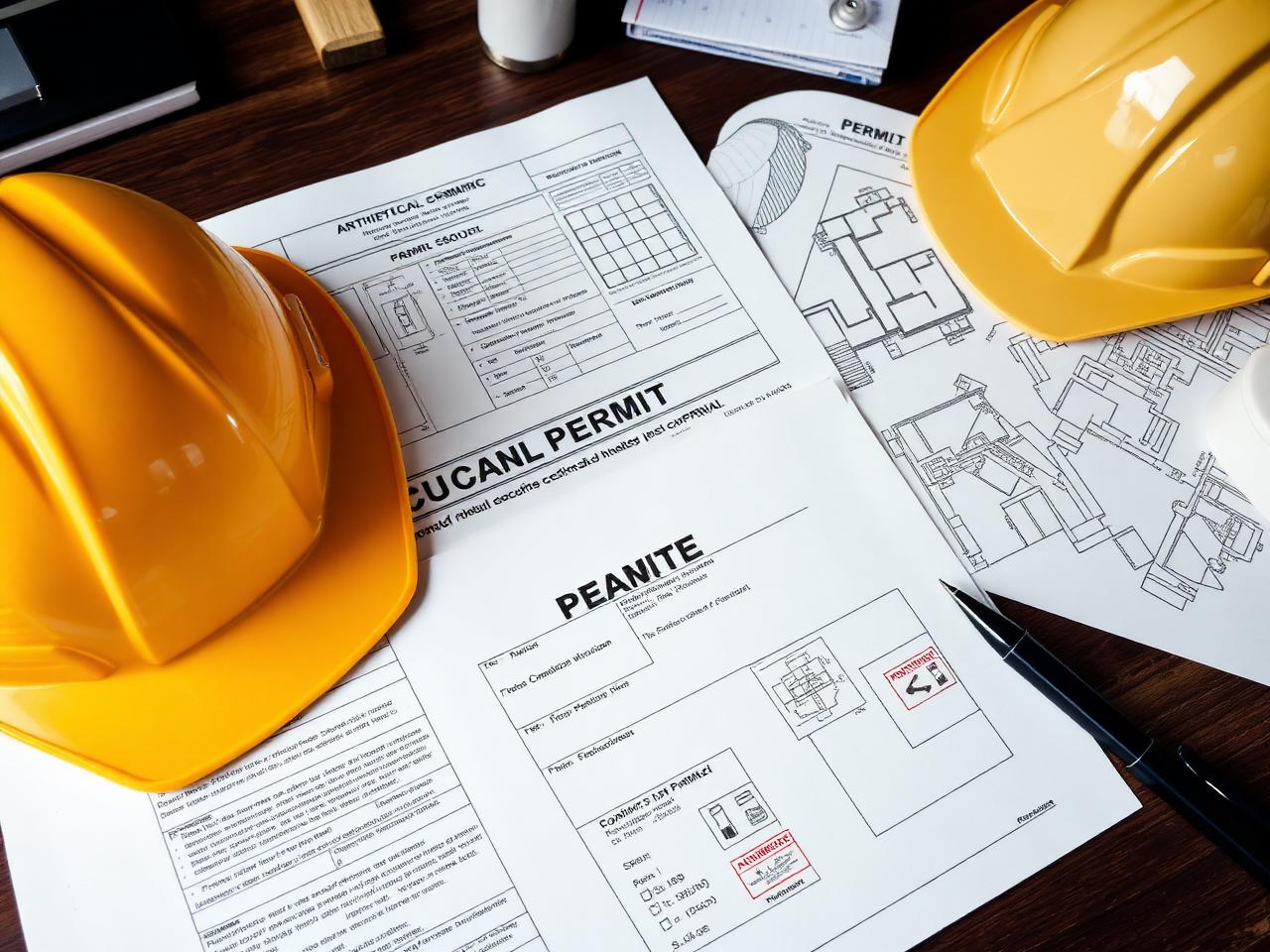
A responsible ADU builder should want to review the property before making design promises. The lot determines more than homeowners expect. Setbacks, existing structures, sewer depth, electrical capacity, trenching routes, drainage, fire separation, and access for construction can all affect cost and schedule.
In older homes around Long Beach, Lakewood, and Signal Hill, utility capacity can be one of the biggest early questions. If an ADU needs a panel upgrade, sewer work, or a complicated trench route, that should be discussed before the drawings are finalized.
Ask the builder what they look for during a feasibility visit. A good answer should include zoning basics, access, utilities, privacy, build path, likely permit needs, and budget risks.
Step 4: Compare Scope, Not Just Price
The lowest ADU estimate can become the most expensive choice if the scope is incomplete. When comparing builders, ask each one to spell out what is included, what is excluded, and what is only an allowance.
A clear ADU proposal should address:
- Design, engineering, permit support, and plan check coordination.
- Site preparation, demolition, trenching, utility connections, and drainage.
- Foundation, framing, roofing, windows, doors, insulation, and exterior finishes.
- Plumbing, electrical, HVAC, fixtures, cabinets, counters, flooring, and paint.
- Inspection coordination, cleanup, warranty, payment schedule, and change-order process.
When two bids are far apart, do not assume one builder is simply cheaper. One estimate may be missing utility work, finish allowances, permitting, or site preparation. Ask both builders to clarify the difference in writing.
Step 5: Review Process, Communication, and Change Orders
An ADU project has a lot of moving pieces, so the builder's communication process matters. You should know who your main contact is, how often you receive updates, how schedule changes are handled, and how decisions are documented.
Change orders should never be casual. If the scope changes, the builder should provide a written change order with cost, schedule impact, and approval before the work moves forward. This protects the homeowner and the contractor because everyone is working from the same record.
For larger ADU projects tied to new construction or a whole-property improvement plan, communication matters even more. The best builders keep the owner, designer, city, inspectors, and trades aligned instead of leaving homeowners to chase answers.
Step 6: Confirm Permit and Inspection Experience
Permits are not just paperwork. They shape the schedule, sequence, and final approval of the ADU. A builder who understands the local process can help you avoid redesigns, missed inspections, and preventable delays.
Ask whether the builder has worked in your city recently. Requirements and review timelines can vary between Long Beach, Seal Beach, Torrance, Huntington Beach, and nearby South Bay cities. Local experience does not replace the city's review, but it helps the builder anticipate common questions.
Also ask how inspections are scheduled and handled. A builder should know which work must stay visible for inspection, how corrections are communicated, and how the final sign-off is managed.
Step 7: Choose a Builder Who Understands Your City
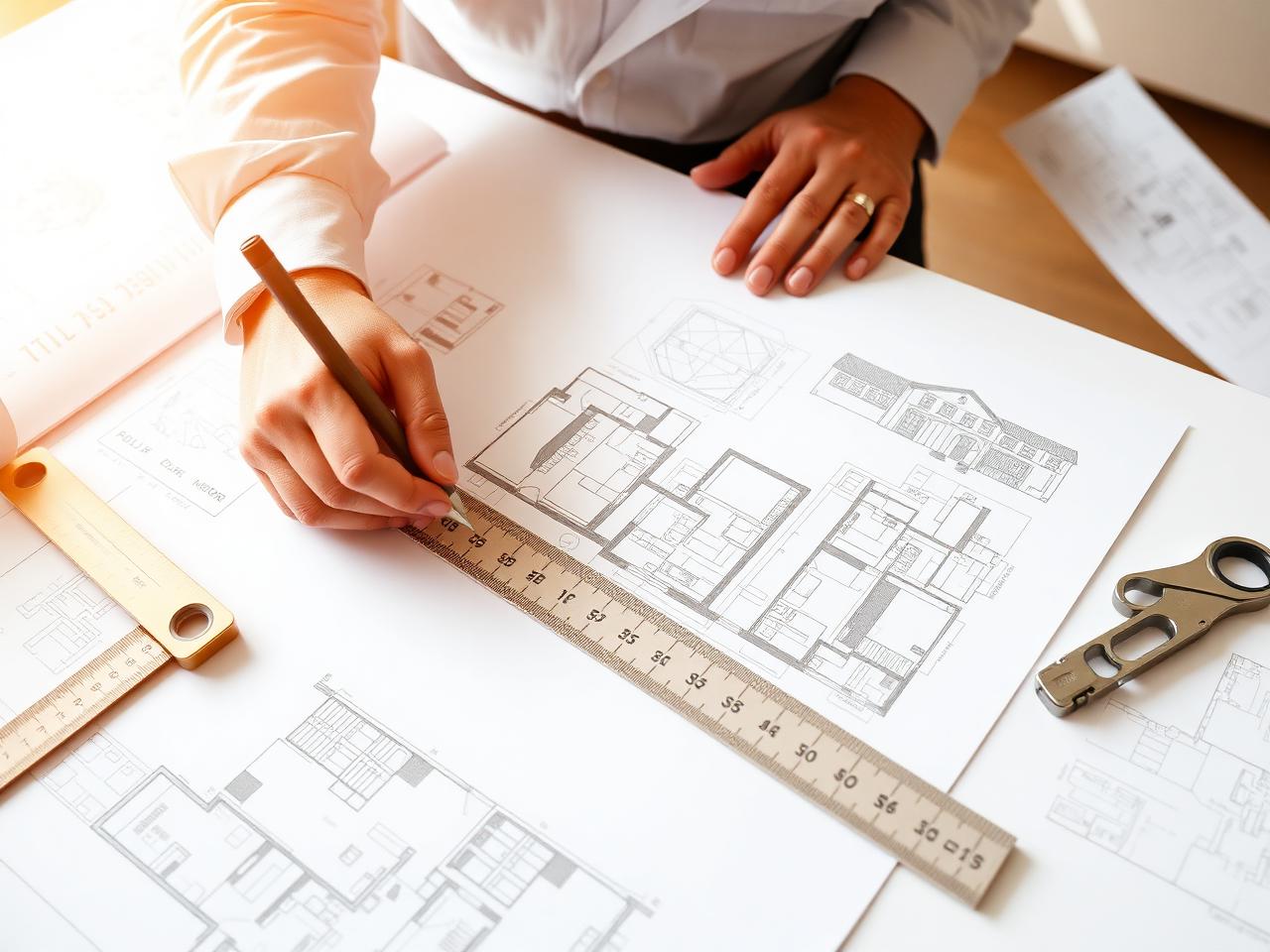
A good ADU builder should be able to explain the path from first consultation to final inspection in plain language. They should help you understand the likely timeline, the decision points, the budget risks, and the order of work.
Look for a builder who talks about the whole project, not only the visible finish work. ADUs are small, but they touch nearly every trade: foundation, framing, roofing, utilities, insulation, doors, windows, kitchen, bath, HVAC, and exterior work. Small spaces leave less room for mistakes.
If you are comparing a design-only team, a contractor-only team, and a design-build approach, ask who is accountable when design decisions affect construction cost. One connected team can make the process simpler because feasibility, budget, and construction details are discussed together.
Red Flags When Hiring an ADU Builder
Most problems show up early if you know what to watch for. Be cautious when a builder:
- Pushes for a decision before visiting the property.
- Gives a low estimate without a written scope.
- Cannot explain how permits and inspections will be handled.
- Asks for a deposit that does not follow California rules.
- Suggests skipping permits for work that should be permitted.
- Has no clear change-order process.
- Avoids questions about license, insurance, or recent similar projects.
Serving Long Beach and the South Bay
Urban Construction & Design Solutions helps homeowners plan and build ADUs throughout Long Beach, Lakewood, Signal Hill, Seal Beach, Torrance, Huntington Beach, and the surrounding South Bay communities. We help with feasibility, planning, permits, construction, inspections, and the practical details that make an ADU work in real life.
If you are ready to compare options, start with a property walk-through and a written scope. Learn more about our ADU construction services or request a free estimate.
Frequently Asked Questions
Answers to common questions about hiring an ADU builder, comparing estimates, and preparing for permits in Long Beach and the South Bay.
About the Author
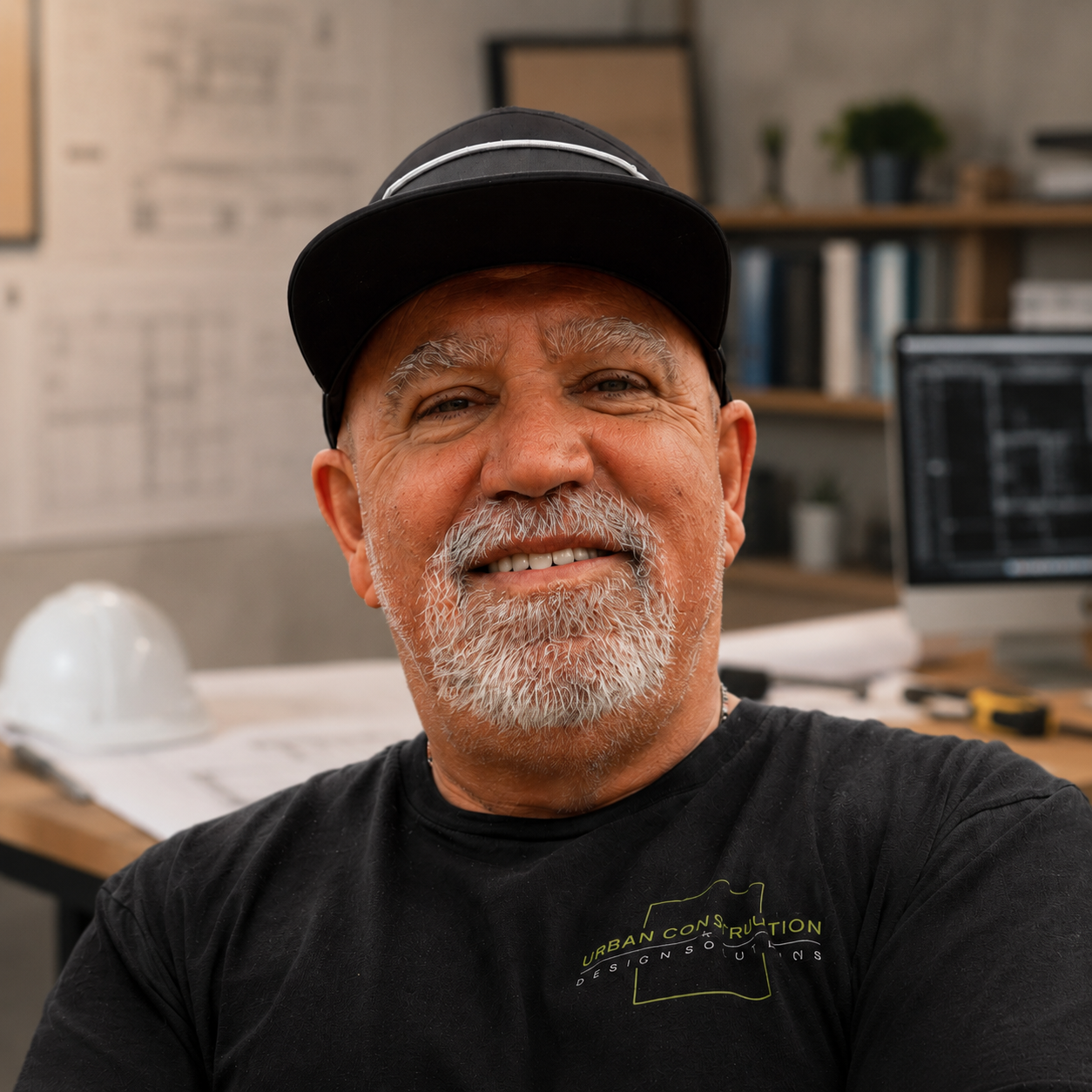
Elias Gonzalez
Founder, Urban Construction & Design Solutions
Elias Gonzalez is the founder of Urban Construction & Design Solutions, a family-owned construction company serving Long Beach and the greater South Bay area. Since founding the company in 2008, Elias has built his reputation on quality craftsmanship, transparent communication, and doing the job right the first time.