What You'll Learn
- How to verify license, insurance, project fit, and similar remodeling experience.
- How to compare written scopes and estimates without getting fooled by a low number.
- Which permit, communication, payment, and change-order questions to ask before signing.
The contractor you choose affects the budget, the schedule, the quality of the work, and how stressful the remodel feels while your home is under construction. A good contractor does more than send a price. They help define the scope, identify risks, coordinate permits, manage trades, document changes, and communicate clearly when conditions change.
If you are planning a home remodel, addition, ADU, kitchen, bathroom, or whole-home renovation, this guide gives you a practical way to compare contractors before you sign.
Verify Licensing & Insurance

In California, the first step is simple: verify the contractor's license. The CSLB Check a License tool lets homeowners review license status before signing a contract or paying a deposit. You should also ask for proof of general liability insurance and workers' compensation coverage when applicable.
Then look at fit. A contractor who is excellent at small repairs may not be the right team for structural work, an ADU, or a large remodel with permits and multiple trades. The contractor should be able to explain how they handle projects similar to yours.
- Confirm the license number and business name match the proposal.
- Ask who will supervise the job and who will communicate with you.
- Request recent examples of similar remodels.
- Make sure the contractor is comfortable with your city, permit path, and project type.
Check Experience & Specialization
Photos are useful, but similar project experience is better. Ask to see work that matches your remodel type, not only the contractor's best-looking project. If you are remodeling a kitchen in an older Long Beach home, a new construction portfolio may not answer the questions that matter. If you are adding an ADU or second-story addition, small cosmetic remodels will not show the same complexity.
Good contractors can explain the problems they solved on past projects: old framing, panel upgrades, permit corrections, drainage, structural beams, access limits, material delays, or design changes. That kind of detail tells you how they think when the project gets real.
The Importance Of A Detailed Contract

Do not compare remodel bids by total price alone. One contractor may include demolition, permits, utility work, finish allowances, cleanup, and supervision while another leaves those items vague. A complete written scope should make the project understandable before construction begins.
Ask each contractor to identify what is included, what is excluded, what selections are allowances, and what would trigger a change order. This is especially important for ADUs, kitchens, bathrooms, and whole-home remodels where utilities and hidden conditions can affect cost.
- Look for line items instead of broad one-line pricing.
- Confirm who buys fixtures, appliances, tile, cabinets, and specialty materials.
- Ask whether permits, inspections, engineering, and plan check support are included.
- Review the payment schedule and how it connects to completed work.
Permits protect the homeowner and the finished project. If a contractor suggests skipping permits for work that should be permitted, slow down. Electrical, plumbing, structural changes, additions, ADUs, and major remodel work usually need city review and inspections.
Ask who pulls the permit, who schedules inspections, how corrections are handled, and how the contractor documents final approval. In cities like Long Beach, Seal Beach, Torrance, Carson, and Cerritos, local process and timelines can vary.
Communication & Trust
Every remodel needs decisions. The question is whether those decisions are organized. Before you sign, ask how the contractor communicates schedule updates, material questions, inspection results, and changes to the scope.
Change orders should be written, priced, and approved before extra work moves forward whenever possible. This keeps the homeowner from being surprised and gives the contractor a clear record. Verbal agreements are easy to misunderstand, especially when multiple trades are on site.
Red Flags Before You Sign
- The contractor will not provide a license number or insurance documents.
- The bid is much lower but does not explain what is included.
- They pressure you to sign immediately.
- They avoid permit questions or ask you to pull permits for contractor-managed work.
- They rely on verbal promises instead of a written scope and change-order process.
- The payment schedule feels front-loaded compared with completed work.
Make The Right Choice For Your Living Space
The right contractor should make the remodel feel clearer before construction starts. They should explain risk, sequence, permits, communication, supervision, and pricing in plain language. You should not have to guess what happens next.
Questions to Ask a Remodeling Contractor
- Have you completed projects like this in my city recently?
- Who will supervise the work each week?
- What are the biggest budget risks you see before construction starts?
- How do you handle hidden conditions once walls are opened?
- What does your warranty cover?
- How will I know when selections, inspections, and payments are due?
Urban Construction & Design Solutions is a family-owned construction company serving Long Beach, Signal Hill, Lakewood, Palos Verdes, San Pedro, and surrounding South Bay communities. We help homeowners move from first conversation to written scope, permits, construction, and final walkthrough with one accountable team.
Review our construction services or request a free estimate for your next remodel.
Frequently Asked Questions
Answers to common questions about hiring a remodeling contractor, comparing estimates, permits, and contract red flags.
About the Author
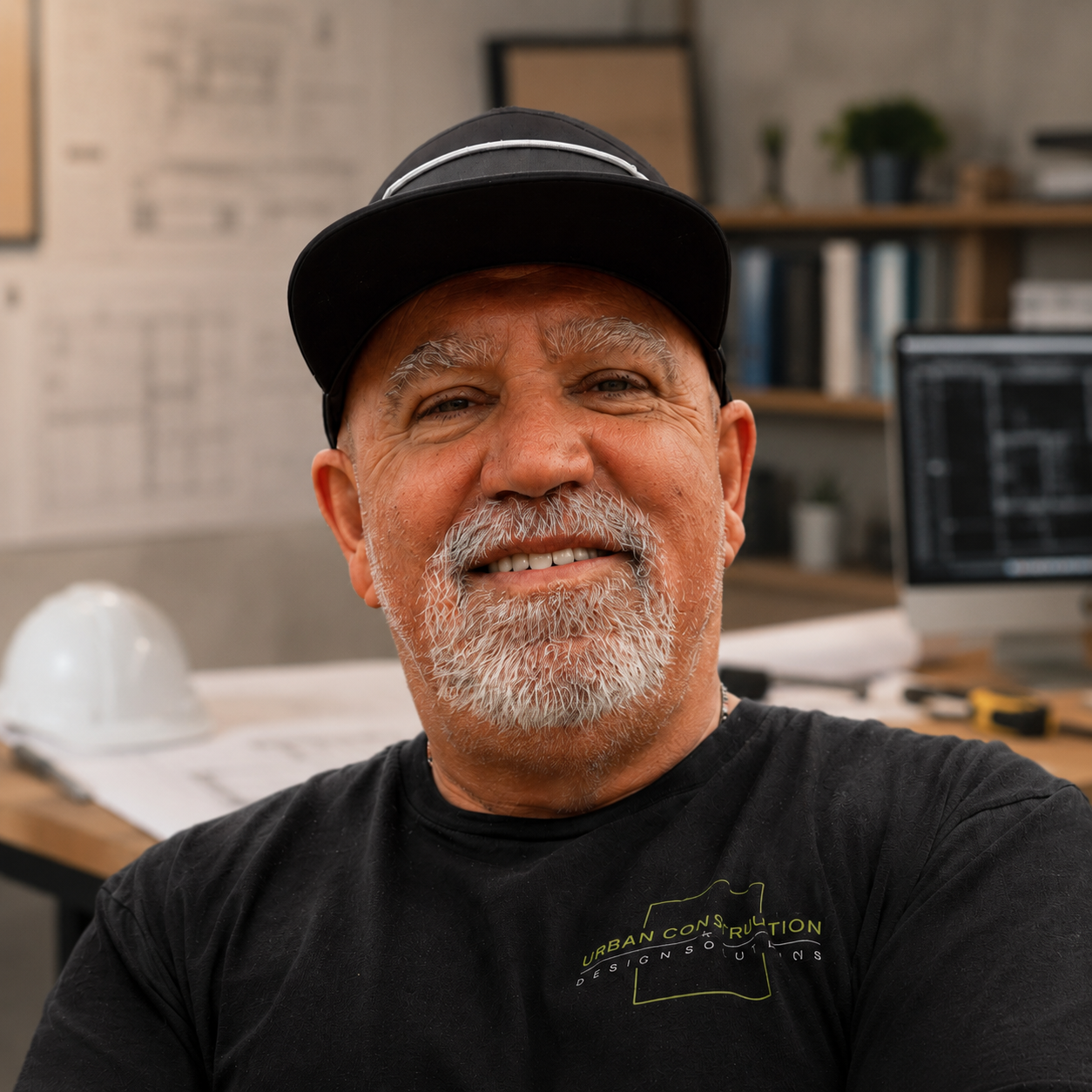
Elias Gonzalez
Founder, Urban Construction & Design Solutions
Elias Gonzalez is the founder of Urban Construction & Design Solutions, a family-owned construction company serving Long Beach and the greater South Bay area. Since founding the company in 2008, Elias has built his reputation on quality craftsmanship, transparent communication, and doing the job right the first time.