What You'll Learn
- How to choose the right kitchen remodel scope before design decisions get expensive.
- Why layout, appliance specs, storage, permits, and sequencing should be solved before finishes.
- What to include in a realistic kitchen remodel budget and construction checklist.
A successful kitchen remodel is not just a new set of cabinets. It should make the room easier to cook in, easier to clean, better for gathering, safer for daily use, and more connected to the way the home actually lives. When the planning is right, the finished kitchen feels natural instead of forced.
In older Long Beach and South Bay homes, kitchen remodels often reveal undersized electrical, awkward plumbing, limited storage, poor lighting, and walls that no longer match how families use the house. This guide explains how to plan a kitchen remodel from scope to final walkthrough so the project starts with fewer surprises.
Perfecting the Design and Layout
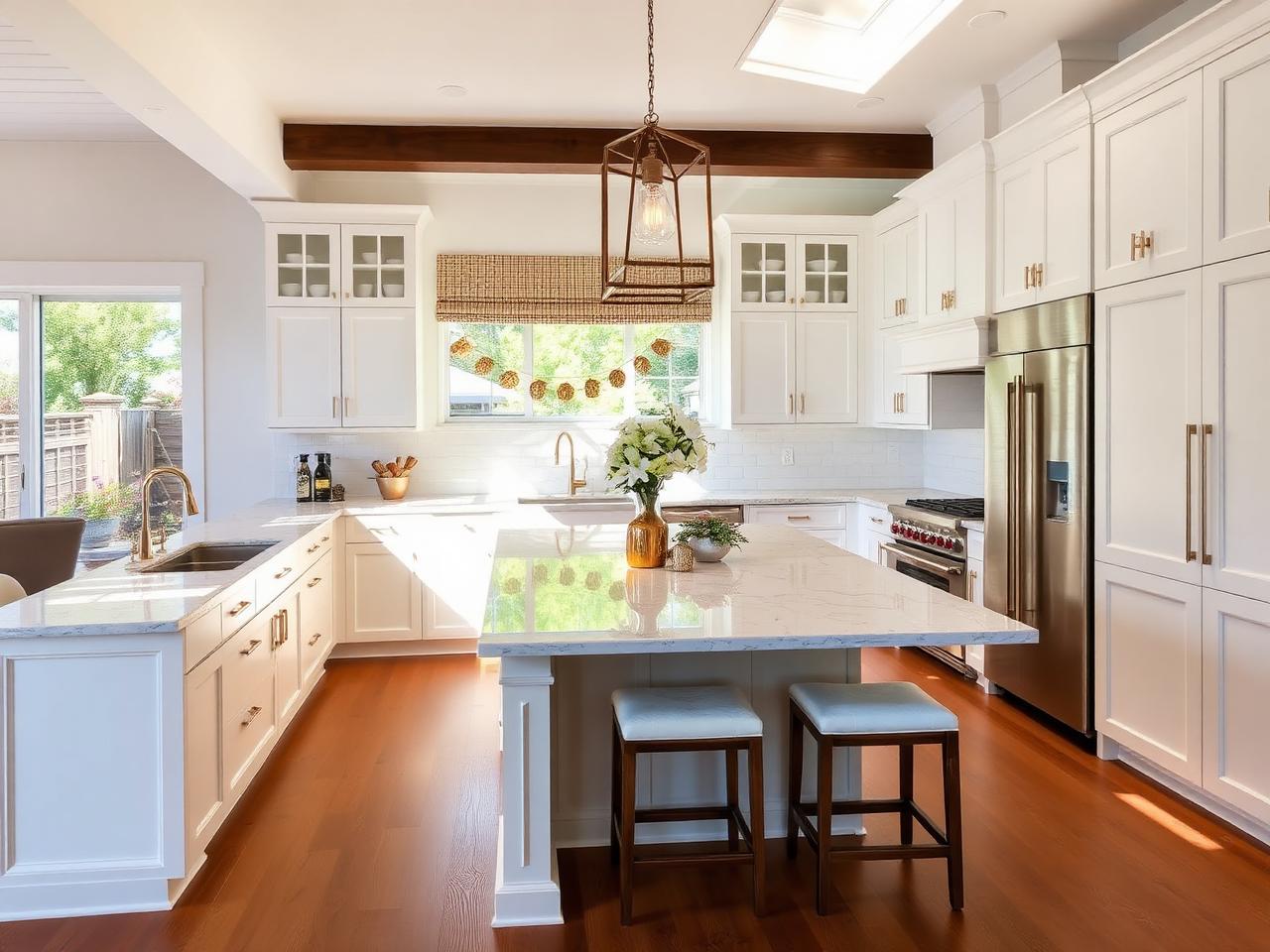
Start by deciding what problem the remodel needs to solve. If the layout works, a finish-focused remodel may be enough. If the kitchen is dark, isolated, short on prep space, or poorly connected to the dining area, the scope may need to include layout changes, wall openings, or utility relocation.
- Refresh: paint, fixtures, hardware, lighting, counters, backsplash, or appliance updates.
- Mid-range remodel: new cabinets, counters, tile, flooring, lighting, and minor layout changes.
- Full remodel: new layout, moved plumbing or gas, structural changes, panel upgrades, custom cabinetry, and new finishes throughout.
Scope clarity protects the budget. A contractor cannot price the same project twice if the design keeps changing, so lock the big decisions before ordering cabinets or opening walls.
Finishes matter, but layout controls how the kitchen works every day. Before choosing cabinet colors, study traffic, storage, appliance locations, trash placement, prep zones, and where people gather. A kitchen that photographs well but blocks the refrigerator every morning will not feel successful for long.
Good layout planning looks at clearances, door swings, walkway widths, sightlines, and the way the kitchen connects to adjacent spaces. For some homes, the best answer is an island. For others, a peninsula or built-in pantry gives more function without crowding the room.
- Keep the sink, prep area, cooking area, and refrigerator close enough to work together.
- Plan landing space near the refrigerator, range, and wall ovens.
- Use drawers for pots, pans, and everyday dishes when possible.
- Design trash, recycling, spices, trays, and small appliances into the cabinet plan.
Selecting Durable and Stylish Materials
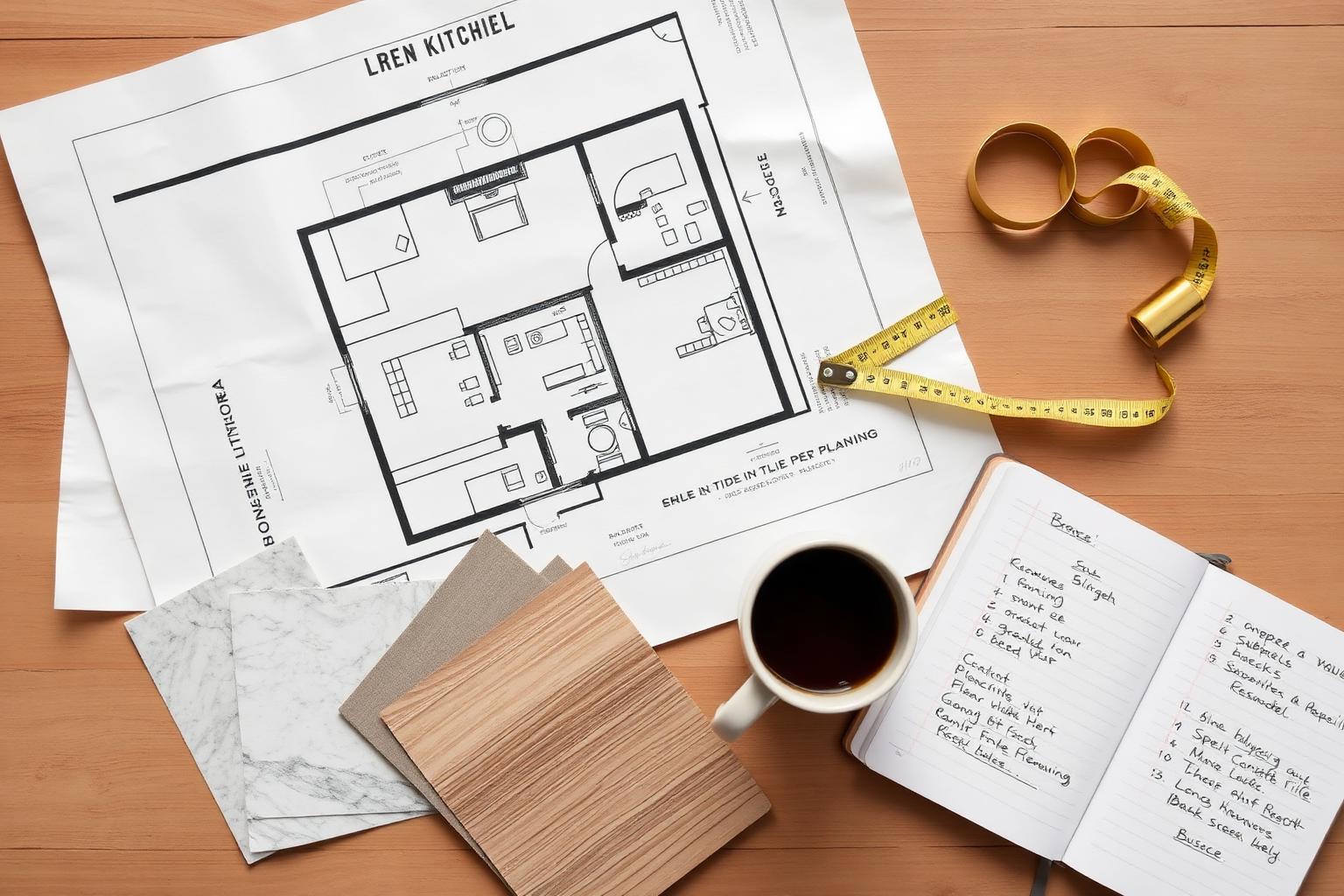
Cabinets are usually one of the largest costs in a kitchen remodel, so they should be planned carefully. Decide whether you need stock, semi-custom, or custom cabinetry based on the layout, the age of the home, and how precise the storage needs to be.
Appliances should be selected early because they affect cabinet dimensions, electrical needs, gas or venting requirements, and countertop openings. If energy use is part of your decision, ENERGY STAR product resources can help you compare certified appliance categories before final selections.
For counters, quartz and porcelain are common choices because they are durable and predictable. Natural stone can be beautiful but may need more maintenance. The best selection is the one that fits the way the household cooks, cleans, and lives.
Partnering With a Qualified Contractor
A realistic kitchen budget includes design, permits, demolition, framing, plumbing, electrical, cabinets, counters, tile, flooring, appliances, fixtures, labor, cleanup, and contingency. Older homes should carry extra room for hidden issues like damaged framing, old wiring, uneven floors, or plumbing that needs correction.
We recommend a contingency because it keeps decisions calm when something behind the wall needs attention. Without one, every discovery feels like a crisis. With one, the owner and contractor can make the right call without derailing the entire project.
Kitchen remodels often touch plumbing, electrical, HVAC, framing, and finish work. If the project adds circuits, moves plumbing, changes gas lines, removes walls, or changes structural elements, permits and inspections should be expected. That is not a bad thing. It creates a record that the work was reviewed and completed properly.
Sequencing matters too. Demolition exposes existing conditions. Rough plumbing and electrical must happen before walls close. Cabinets need accurate field measurements. Counters need templating after cabinets are installed. Tile, fixtures, paint, and final trim come later. When homeowners understand the order, the project feels less mysterious.
A kitchen remodel affects the center of the house, so dust control and communication matter. Ask how the crew will isolate the work area, protect floors, manage debris, schedule inspections, and keep the home secure. Set up a temporary kitchen before demolition begins so daily life does not stop completely.
For larger remodels that connect to new construction, an ADU, or a full home addition, planning the construction sequence becomes even more important. The goal is to keep the work moving while protecting finished areas.
Integrating Smart Technology and Lighting
Lighting can make or break a remodeled kitchen. Plan it in layers: task lighting over prep areas, ambient lighting for the full room, accent lighting where it adds warmth, and natural light where the layout allows. Switch placement should match how people enter and move through the space.
Smart technology should be useful, not distracting. Dimmers, under-cabinet lighting, appliance circuits, charging drawers, touchless faucets, and better ventilation can all improve daily use. The best upgrades are the ones that make the kitchen easier to cook in and easier to clean.
Get Started With Your Kitchen Makeover
Kitchen Remodel Checklist
- Define the remodel goal and the must-have features.
- Confirm appliance sizes before cabinet drawings are finalized.
- Decide where pantry storage, trash, recycling, and small appliances will live.
- Review lighting in layers: task, ambient, accent, and natural light.
- Confirm permits, inspections, and change-order rules in writing.
- Set up a temporary kitchen before demolition starts.
Urban Construction & Design Solutions remodels kitchens throughout Long Beach, Lakewood, Seal Beach, Torrance, and nearby coastal communities. We help homeowners turn early ideas into buildable plans, written scopes, permits, and finished kitchens that feel good to use every day.
Explore our kitchen and whole-home remodel services or request a free estimate.
Frequently Asked Questions
Answers to common questions about kitchen remodel planning, permits, budgets, appliances, and construction sequencing.
About the Author

Elias Gonzalez
Founder, Urban Construction & Design Solutions
Elias Gonzalez is the founder of Urban Construction & Design Solutions, a family-owned construction company serving Long Beach and the greater South Bay area. Since founding the company in 2008, Elias has built his reputation on quality craftsmanship, transparent communication, and doing the job right the first time.